Dark chocolate, milk chocolate or white chocolate bars, pralines, spreads or gourmet holiday chocolates: chocolate occupies a privileged place in European eating habits. But which country consumes the most chocolate in Europe and where does France rank?
Switzerland dominates the ranking, ahead of several countries in Northern and Central Europe. France does not appear in the top five, but it remains one of the main chocolate markets, with a particularly marked preference for dark chocolate.
The biggest chocolate consumers in Europe
Available estimates place the following countries among the largest consumers of chocolate per capita:
| Rank | Country | Estimated annual consumption |
| 1 | Switzerland | 10.3 kg per capita |
| 2 | Germany | 9.93 kg per capita |
| 3 | United Kingdom | 8.4 kg per capita |
| 4 | Sweden | 7.8 kg per capita |
| 5 | Belgium | 7.5 kg per capita |
| 6 | Austria | 7.4 kg per capita |
| 7 | Ireland | 6.8 kg per capita |
| 8 | Norway | 6.6 kg per capita |
| 9 | Finland | 6.4 kg per capita |
| 10 | France | 6.4 kg per capita |
Indicative ranking: the years studied, distribution channels, and product categories recorded may vary by organization.
How much chocolate is consumed in France?
In France, average consumption is estimated at approximately 6.4 kg of chocolate per capita per year. The French thus rank among the ten largest European chocolate consumers.
The Chocolate Union (Syndicat du chocolat) also uses another indicator: approximately 12.3 kg of chocolate products are consumed annually per French household. This figure concerns an entire household: it should therefore not be compared directly with individual consumption.
France sits behind Switzerland, Germany, and several Northern European countries. However, it remains a major chocolate-consuming and producing country.
The French prefer dark chocolate
The great French peculiarity lies not only in the quantity consumed, but also in the type of chocolate chosen.
Dark chocolate accounts for about 30% of French adult consumption, compared to only 5% on average for adult chocolate consumption in the rest of Europe. This preference is explained in particular by the place of gastronomy, artisan chocolatiers, and cocoa-rich products in French culture.
It is also the most difficult chocolate to pair: we detail the wines that stand up to it in our guide "what wine to serve with chocolate."
Christmas and Easter remain two major periods for chocolate sales in France, from bars to festive confectionery. These seasonal purchases invite consumers to check the composition indicated on chocolate labels.
Why do Europeans consume so much chocolate?
Europe has a long chocolate-making tradition, led in particular by Switzerland, Belgium, Germany, and France.
Chocolate is associated with pleasure, gifts, celebrations, and gastronomy. Regarding chocolate trends, consumers are increasingly interested in premium chocolates, the origins of cocoa, and pairings with other products such as coffee, cheese, or wine.
When cocoa meets wine
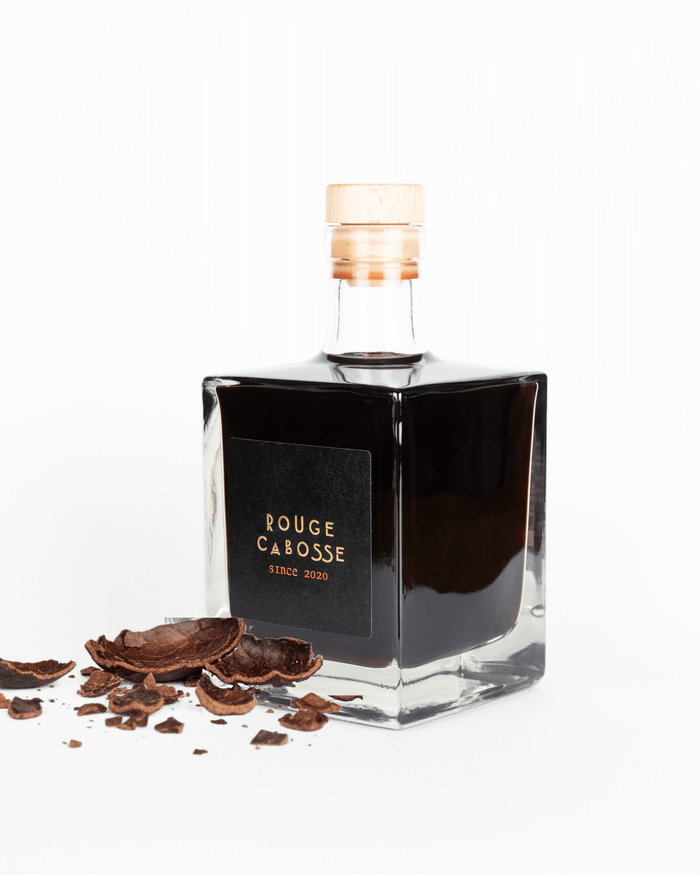
It is in this spirit that Rouge Cabosse® was born, a red wine with natural cocoa aromas, made from an AOP Côtes du Rhône wine. An original meeting between two worlds particularly appreciated in France: wine and chocolate.
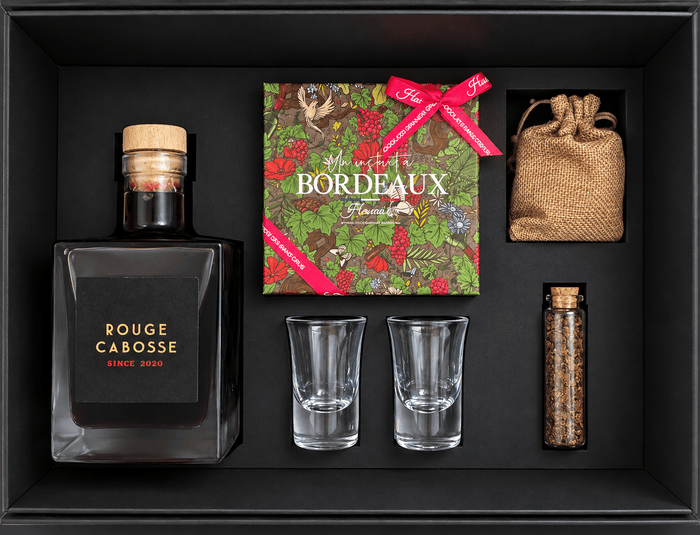
To experience the pairing to the fullest, the Accord V — Cocoa gift set (€79) brings together the 50 cl bottle and 9 chocolates by Hasnaâ Ferreira, World's Best Chocolatier 2016, with ganaches made from Bordeaux grand crus.

Read also: What wine to drink with chocolate: the best pairings and Wine and chocolate gift set: the Rouge Cabosse® gourmet gift.
Alcohol abuse is dangerous for your health. Consume in moderation.
Sources: DGCCRF – Ministry of Economy; Chocolate Union; CHOCOSUISSE; available European industry data.

Cocoa, in the glass too
Rouge Cabosse®, a red wine with natural cocoa aromas, made from an AOP Côtes du Rhône wine: in a 50 cl bottle or a gift set with chocolates by Hasnaâ Ferreira, from €79.