Pairing wine and chocolate seems natural. However, this combination requires a certain balance: chocolate provides sugar, fat, and sometimes bitterness, while wine possesses acidity, alcohol, and, for red wines, tannins.
To successfully pair wine and chocolate, you must therefore adapt the style of the wine to the type of chocolate being tasted.
What wine should you drink with dark chocolate?
Dark chocolate is the most intense. The higher its cocoa percentage, the more its bitterness risks accentuating the wine's tannins and dryness.
The most classic pairings are:
- Banyuls;
- Maury;
- Red Port;
- Madeira;
- certain naturally sweet wines (vins doux naturels).
Their aromas of dark fruits, candied fruits, coffee, or spices naturally complement those of the cocoa.
A dry red wine with dark chocolate can also work, provided you choose a wine that is supple, fruity, and not overly aggressive. A red that is too young, too acidic, or too tannic might, conversely, reinforce the bitterness of the chocolate.
What wine should you drink with milk chocolate?
Sweeter and creamier, milk chocolate requires a less powerful wine.
It can be paired with:
- a Tawny Port;
- a Muscat;
- a fruity Pinot Noir;
- a Gamay;
- a supple and indulgent red wine.
The notes of hazelnut, caramel, and dried fruits in Tawny Port pair particularly well with milk chocolate. A light red wine can also create a beautiful harmony, provided its tannins remain subtle.
What wine should you drink with white chocolate?
White chocolate is mainly composed of cocoa butter, sugar, and milk. Its profile is therefore sweeter, fattier, and often marked by notes of vanilla.
It pairs better with sweet or mellow white wines:
- a Muscat;
- a Moscato d’Asti;
- a late-harvest (vendanges tardives) Riesling;
- a Coteaux-du-Layon;
- a demi-sec sparkling wine.
The freshness and floral aromas of these wines allow the richness of the white chocolate to be balanced without making the tasting experience feel heavy.
The three rules of a good wine and chocolate pairing
To make your tasting a success, remember three simple principles.
First, the wine must possess an intensity comparable to that of the chocolate. The more powerful and bitter the chocolate, the more roundness and fruit the wine should provide.
Second, look for complementary aromas: dark fruits, spices, vanilla, hazelnut, coffee, or cocoa.
Finally, pay attention to the serving temperature. A wine served too warm will seem more alcoholic, while a wine served too cold will lose some of its aromas.
The wine and chocolate pairing chart, at a glance
Twelve wines, from the most classic to the most unexpected, and the chocolate with which each performs best.
| Wine | Family | With which chocolate | Effect of the pairing |
|---|---|---|---|
| Banyuls | Naturally sweet wine | Dark 70% and up | The benchmark. The sweetness of the wine absorbs the cocoa's bitterness. |
| Maury | Naturally sweet wine | Intense dark, ganaches | More tannic than Banyuls; it stands up to bold chocolates. |
| Red Port (LBV, vintage) | Fortified wine | Dark, chocolate desserts | Power and candied fruit. A classic, foolproof pairing. |
| Tawny Port | Oxidative fortified wine | Milk, praline | Notes of nut and caramel marry with the milk. |
| Madeira | Oxidative fortified wine | Dark, chocolate with dried fruit | A lively acidity that prevents the pairing from becoming heavy. |
| Muscat | Naturally sweet wine | Milk, white | The most accessible: fragrant and immediate. |
| Pinot Noir | Light dry red | Milk | A dry pairing with red fruit notes for those who don't like sweetness. |
| Gamay | Light dry red | Milk, mousses | Indulgent and supple, without aggressive tannins. |
| Moscato d’Asti | Sweet sparkling | White | The bubbles and freshness lighten the fat of the white chocolate. |
| Late-harvest Riesling | Sweet white | White, chocolate with citrus | The acidity cuts through the sugar. A sommelier's pairing. |
| Coteaux-du-Layon | Sweet white | White, blond, caramel | Honey and quince notes on milky sweetness. |
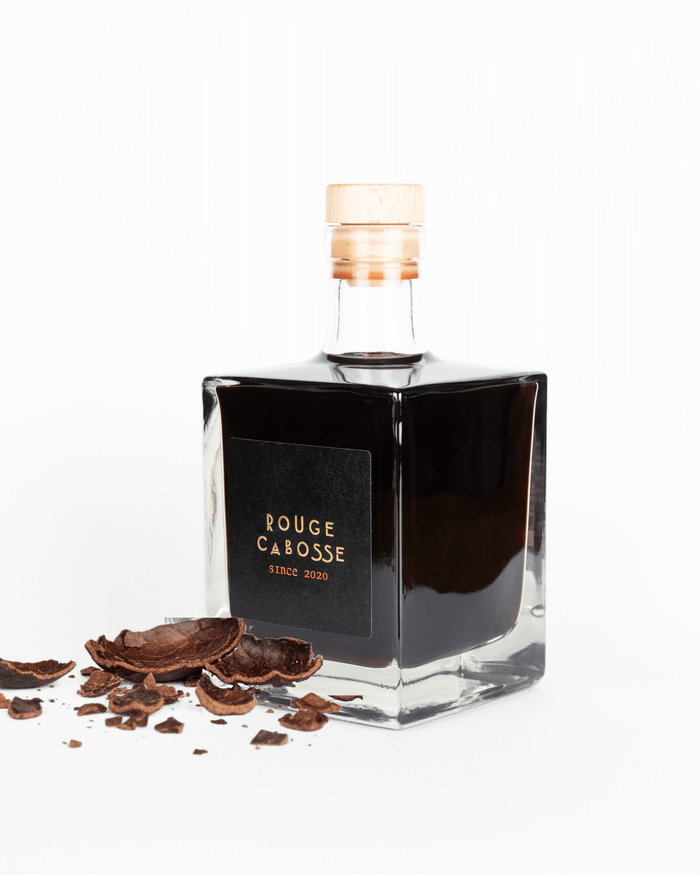
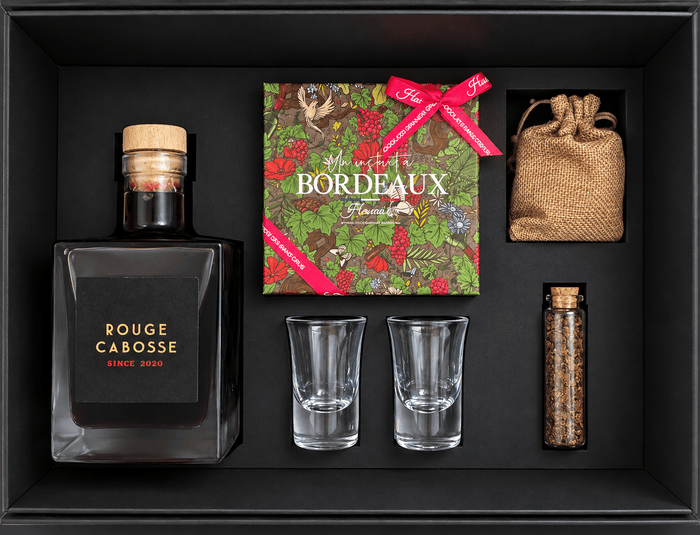
| Rouge Cabosse® | Red wine with natural cocoa aromas | Dark, milk, chocolate desserts | The only one where the cocoa is already in the bottle: no need to hunt for the pairing, it's built-in. |
When wine and cocoa are already united
Rouge Cabosse® offers a different approach to the traditional pairing by directly uniting an AOP Côtes-du-Rhône wine with natural cocoa aromas.
The wine's fruity and spicy notes thus meet the aromatic world of cocoa to create an original tasting experience.
Served between 10 and 12 °C, Rouge Cabosse® can accompany dark chocolate, a low-sugar dessert, or be enjoyed on its own at the end of a meal.
Discover Rouge Cabosse®, the unexpected encounter between red wine and natural cocoa