Choosing a wine to match a beautiful cheese board is a frequent question at the table. This pairing guide offers concrete benchmarks, family by family, to build balanced combinations, from fresh goat cheeses to powerful blues, without sacrificing the pleasure of the glass.
Which wine to drink with cheese
A powerful red is not a universal answer: the acidity of a white, the sweetness of a dessert wine, or the lightness of a low-tannin red often yield better results. The cheese's texture, aromatic intensity, and degree of aging radically change the outcome.

The basics of a wine and cheese pairing
Contrary to popular belief, cheese does not harden red wine: its fats and proteins actually soften the perception of the tannins. A study published in 2006 in the American Journal of Enology and Viticulture measured that the astringency, vegetal notes, and oakiness of a red wine decrease significantly after tasting cheese. Therefore, cheese "erases" the wine rather than hardening it; this is the real problem: one loses the fruit and complexity for which the bottle was chosen. Whites, sparkling wines, and sweet wines resist this erasure better. To master cheese pairings, evaluate the wine's acidity, sugar, alcohol, and texture.
- Intensity of the cheese. A young, milky cheese calls for a lively, fruity wine, while an aged cheese accepts fuller and more complex wines, without necessarily seeking higher tannins.
- Tannins and fat. Powerful tannins conflict with the fat and salt of cheese; a dry white or a light, fruity red preserves the balance on the palate. The determining criterion is therefore not the color of the wine, but its tannic power: a light, low-tannin red pairs easily with a cheese board.
- Regional pairing. French cheeses naturally associate with wines from their region, although this rule is not absolute: an Époisses may find a better partner in Alsace than in Burgundy, as the cheese's aromatic power can overwhelm Burgundian reds, even those that are low in tannins.
Sommeliers also distinguish between horizontal pairing, which involves choosing wine based on the dish it accompanies, and vertical pairing, which ensures a coherent progression of wines and dishes throughout the meal. In this logic, orange wines—whites vinified in contact with the skins—are worth trying with aged cheeses: their soft tannic structure and aromatic richness stand up to washed rinds where a classic dry white would fade.
In practice, if only one bottle is to be opened, a lively, refined, and fruity white wine remains the most versatile choice. A Loire Sauvignon is particularly suitable for a board dominated by goat cheeses; a Chablis or a Crémant flexibly accompanies soft cheeses and certain pressed cheeses. For a highly contrasted assortment, two wines are preferable: a Loire white and a light Gamay-based red cover a wide range of cheeses. One caveat: none of these wines are suitable for blues, which imperatively call for a sweet wine. If the board includes one, plan for a third bottle, even in a small quantity.
Composing a balanced cheese board
The order of tasting structures the experience as much as the choice of wine for cheese. Start with mild cheeses, fresh goat cheeses, and lightly aged soft cheeses, then progress toward pressed cheeses and washed rinds, saving the blues for last.
Plan for 50 to 70 g of cheese per person at the end of a meal, and three to five cheeses on the board: beyond that, the profiles blur and the pairing becomes impossible to construct. Take the cheeses out of the refrigerator one hour before serving, otherwise they will release neither their aromas nor their texture. As for the glass, serve dry whites at 10-12°C, sparkling wines at 8-10°C, light reds at 14-16°C, and dessert wines at 9-11°C.
The season also guides the composition: in winter, washed rinds like Munster, Époisses, and Maroilles take center stage; in spring and summer, sheep, goat, or alpine cheeses reveal their best aromas. On a varied board, a Crémant de Bourgogne, a Chablis, or a Loire Sauvignon for the white side, as well as a Beaujolais or a Burgundy Pinot Noir for the red side, cover most pairings. Bread also matters: choose crispy white or cereal breads; walnut breads, which are more bitter, should be reserved for blues accompanied by a sweet wine.
Pairing wines with fresh and creamy cheeses
Fresh cheeses and soft cheeses with bloomy rinds are easy to pair. Their creamy texture and milky taste go well with dry, lively white wines, sparkling wines, or fruity rosés.
White wine for fresh goat cheeses
Pairings for fresh goat cheeses follow a simple logic: the acidity of the wine responds to the milky freshness of the cheese without dominating it. A Sauvignon Blanc, a Muscadet, or a dry Chenin provide the vivacity expected by ricotta, faisselle, or a few-day-old goat cheese. The pairing is revealed from the first sip: clean, sharp, and without heaviness.
- Sancerre and Crottin de Chavignol: the classic regional pairing. The minerality and liveliness of the Sancerre respond to the creamy and slightly acidic character of the young Crottin.
- Vouvray sec and Sainte-Maure-de-Touraine: the dry Chenin brings its minerality and elegant acidity to the melting texture of the Sainte-Maure, in a natural terroir pairing.
- Pouilly-Fumé or Reuilly: with more aged goat cheeses, a Sauvignon with structured notes offers more backbone without crushing the cheese.
- Fruity rosé: A fresh goat cheese handles a light and lively rosé, such as a Coteaux-d'Aix-en-Provence, well. Its freshness extends the milky aromas without weighing down the tasting.
More aged goat cheeses accept wines with more structure. Certain white Burgundies, especially those aged in low-oak Chardonnay, create interesting associations: their roundness tempers the intensity of the goat cheese without erasing its aromas.
A more structured rosé, like a Bandol or an aged Provence cuvée, is better suited to aged goat cheeses than fresh ones. At the end of the tasting, the contrast is surprising: the dry and slightly bitter paste of a characterful goat cheese vs. the freshness of an aromatic white. The whole remains harmonious. Best for a board with two or three goat cheeses at different stages of aging.
Which bloomy rind with which wine
Camembert, Brie, and Chaource develop a creamy paste with mushroom notes under their bloomy rinds. They require a wine capable of providing liveliness without aggressive acidity. A non-oaked Chardonnay, with stone fruit aromas, is a reliable choice for this type of cheese. With a Valençay, a dry Menetou-Salon supports the ash without masking the paste.
Brut Champagne or Crémant provide extra freshness thanks to their bubbles. They lighten the sensation of fat and highlight the cream aromas. With a well-aged Camembert, an AOP Pays d'Auge or Pays d'Auge-Cambremer cider creates a remarkable terroir pairing: its fruity, slightly bitter notes and natural effervescence harmonize with the Norman cheese.
Wine and pressed cheese
Pressed cheeses make up a nuanced family, from mild tommes to long-aged Comtés. The milk, the terroir, and the aging time profoundly modify their aromatic profile: the choice of wine therefore requires some precision. Aromatic whites, supple reds, or great Jura whites offer distinct pairings.
Whites and reds for mild pressed cheeses
Uncooked pressed cheeses, such as Cantal, Saint-Nectaire, Tomme de Savoie, Morbier, or Mimolette, accept aromatic whites and supple, low-tannin reds. The Saint-Nectaire, mild and creamy, reveals notes of hazelnut: a dry, fruity white suits it, as does a light, mountain-inspired red wine. Remove the rind if it threatens to disrupt the pairing.
The Tomme de Savoie, herbaceous and salty, naturally calls for wines from its region: Roussette or Apremont in white, Mondeuse in red. A Beaujolais Gamay or a light Pinot Noir also respect its texture without dominating it.
The ideal wine with Comté
Cooked pressed cheeses, such as Comté, Beaufort, or Abondance, appreciate more structured whites. A Jura Chardonnay or a Savagnin naturally accompanies Comté: their full texture and spicy notes extend the milky and fruity nuances of the cheese. For a moderately aged Comté, a light red wine, Gamay or low-tannin Pinot Noir, can also be suitable, provided you choose a supple vintage.
With a long-aged Comté, marked by notes of walnut and curry, Jura Vin Jaune finds a remarkable echo. The Comité Interprofessionnel du Comté reminds us that age is not enough to define the cheese's flavor profile. A powerful and oxidative white wine like Vin Jaune is essential when the Comté truly expresses this evolved palette.
Raclette and fondue with white wine
Melted cheese dishes require a wine capable of lightening the sensation of fat without adding heaviness. For raclette, serve a fresh Savoyard white, like an Apremont or Abymes, at 10-11°C: its acidity cleanses the palate and enlivens the tasting. Red wine should be avoided, as its tannins conflict with the fat of the melted cheese.
- Raclette: lively Savoy white, Apremont, Abymes, or Jacquère, served at 10-11°C; failing that, a fresh, dry white from the Rhône, such as Viognier or Roussanne.
- Savoyard fondue: dry, low-oak white from Savoy or the Jura, Roussette or Arbois, served at 12-13°C; plan for about half a bottle per person.
- Tartiflette: Roussette de Savoie or Chignin-Bergeron in white; in red, a Savoy Gamay or a Haute-Savoie Pinot Noir with supple tannins.
Which wine with a blue or powerful cheese?
The most intense cheeses, especially blue-veined cheeses and washed-rind cheeses, require wines capable of responding to them. Sweet-and-savory contrast or a strong aromatic presence works better than seeking a mild harmony. Which wine with powerful cheese? Prioritize a rich, sweet, or particularly expressive wine.
Sweet wines for blue-veined cheese
Blue cheeses, such as Roquefort, Bleu d'Auvergne, Fourme d'Ambert, or Gorgonzola, find balance in the contrast between their salinity and the sweetness of the wine. For Roquefort, a sweet or dessert wine is a must; the intensity must respond to the salt of the cheese.
- Roquefort: Sauternes or sweet white wine for the contrast between salt and sugar; Banyuls or Maury for a warmer version, in natural sweet red wines.
- Fourme d'Ambert: milder than Roquefort, it accepts less rich wines, such as Alsace Late Harvest (Vendanges Tardives), Gewurztraminer, or Pinot Gris, or a light Maury.
- Bleu d'Auvergne and Gorgonzola: a Coteaux-du-Layon or a Sauternes with salty profiles; a Morgon with melted tannins when the cheese is milder.
Richness and aromatic intensity stand up to the most assertive blues. A fairly vinous Brut Champagne, in Blanc de Noirs or vintage Brut, can also accompany powerful blues. The Comité Champagne recommends these styles; a sparkling wine can also accompany a blue, provided you choose it dosed: a demi-sec Champagne, or a demi-sec rosé, succeeds at the sweet-and-savory contrast where a brut is unbalanced by the salinity of the cheese. With a mild blue, a vinous Blanc de Noirs brut can be the exception.
| Blue-veined cheese | Recommended wine | Logic of the pairing |
| Roquefort | Sauternes, Banyuls, Maury | Salt / sugar contrast |
| Fourme d'Ambert | Alsace Vendanges Tardives, Maury | Moderate sweetness for a milder blue |
| Bleu d'Auvergne | Coteaux-du-Layon, Morgon | Salinity / fruitiness balance |
| Gorgonzola | Sauternes, sweet Muscat | Reciprocal aromatic intensity |
Wine pairing with washed-rind cheese
Washed-rind cheeses, such as Munster, Maroilles, Époisses, or Langres, are among the most expressive on the board. Choose wines with a touch of sweetness or marked aromatics to balance the milky power of the rind.
Alsace Gewurztraminer traditionally accompanies Munster, Maroilles, or Livarot. Its notes of rose, lychee, and spices accompany the washed rind without dominating it.
With a Mont d'Or, especially when served warm, a Savagnin, a Jura Chardonnay, or a Jura Crémant forms a coherent terroir association. The liveliness of the wine cuts through the fat of the melted cheese. For the most powerful washed-rind cheeses, like Époisses or Maroilles, a dark or amber top-fermented beer can offer a more complex pairing than wine: the carbon dioxide lightens the texture and the hop bitterness extends the tasting.

Ready for an extraordinary tasting experience?
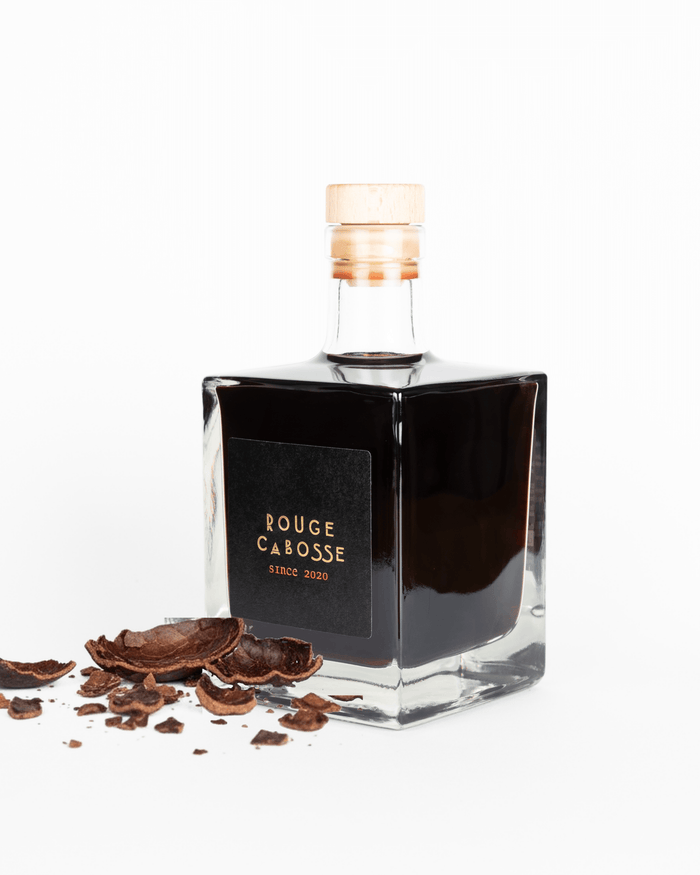
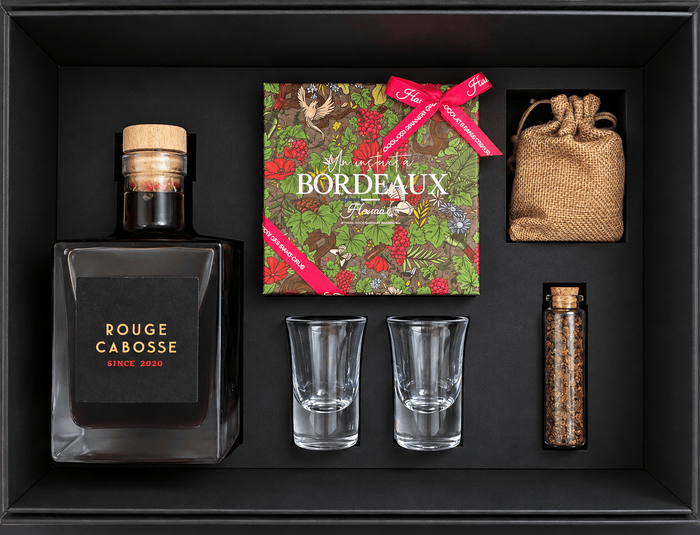
Rouge Cabosse® fits perfectly into your gourmet moments: aperitifs, aged cheese boards, chocolate desserts. A Côtes-du-Rhône with natural cocoa aromas to order directly online.
Frequently asked questions
Which red wine should I choose to accompany a cheese board?
For a varied board, prefer a light, fruity, low-tannin red wine, such as a Beaujolais Gamay or a Burgundy Pinot Noir. Powerful reds lose their fruit when in contact with the fat of the cheese, while the salt accentuates the drying sensation of the tannins. Serve this type of wine at a maximum of 14-15°C and preferably pair it with mild pressed cheeses or lightly aged soft bloomy-rind cheeses.
Which white wine generally pairs best with cheese?
A soft-ripened cheese, such as Brie or Camembert, pairs well with an unoaked Chardonnay or a Crémant. A fresh goat cheese prefers a Sauvignon Blanc or a dry Chenin Blanc. For a full cheese board, a Chablis or a Sauvignon from the Loire Valley covers most pairings: their acidity balances creamy textures, as well as mild pressed cheeses. The difference comes down to the structure of the white wine: the more aged the cheese, the more the wine benefits from having volume and length on the palate.
What are the most common mistakes made during a wine and cheese party?
Serving a powerful red with every cheese is a common mistake: whites and sparkling wines often yield better results. Conversely, a wine that is too light disappears behind a very powerful and salty cheese. Finally, the serving order matters: start with mild cheeses, progress to the most intense, and save blue cheeses for the end.